Sowing the Future: Inside the Native Seed Bottleneck Holding Back American Restoration
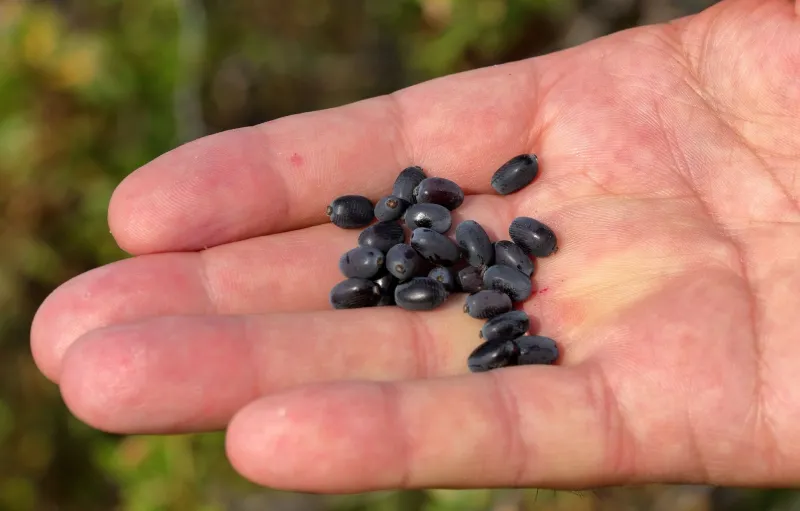
Restoration ecologists have a saying: the seed is the easy part until you need a million of them. Across the United States, ambitious commitments to rebuild prairies, restore sagebrush country, and reseed burned forests are running into a less visible constraint—a shortage of native seed that is genetically appropriate, ecologically diverse, and available at scale. In 2026, the gap is shaping what restoration can actually achieve.
The Demand Curve Nobody Priced
Public lands agencies, tribes, nonprofits, and private landowners are all asking for more native seed. Post-fire rehabilitation can require tens of thousands of acres seeded in a single season. Prairie reconstruction may need dozens of species. Sagebrush restoration demands locally adapted shrubs that are notoriously difficult to grow and plant. Demand is episodic and urgent, but supply is slow and seasonal. Seed cannot be ordered like lumber.
Why Wild Seed Does Not Scale
Wildland seed collection is labor-intensive. Collectors must identify species, time harvests, clean seed, and avoid damaging populations. Many native plants produce seed irregularly. Some species are difficult to germinate or have deep dormancy. Contract growing helps, but farmers need multiyear commitments and reliable prices. Seed cleaning and testing capacity is limited. The result is a supply chain that looks more like craft production than industrial agriculture—which is part of its value, but also its bottleneck.
The Genetics Trap
Using the wrong seed can be worse than using none. Local ecotypes are adapted to particular climates, soils, and pollinators. Moving plant material too far can cause poor establishment, genetic swamping, or maladaptation as conditions change. Yet strict local-only rules can make large projects impossible. Scientists are developing seed transfer zones that balance local adaptation with climate resilience. The debate is not simply local versus nonlocal; it is about matching genetic diversity to future conditions.
Seed Banks and New Intermediaries
Federal programs such as Seeds of Success have built collections, and regional seed banks are expanding. Native seed growers are forming cooperatives. Some states are creating seed reserves for emergency response. Universities and nonprofits are testing production methods for species that have never been farmed. These efforts are promising, but they remain fragmented. A restoration project in one state may not be able to access seed from a neighboring state’s reserve.
Policy Levers for 2026
Closing the gap requires more than grants. Agencies need long-term purchase agreements, shared cleaning and storage infrastructure, and standards that reward ecological diversity rather than single-species convenience. Tribal seed sovereignty should be supported, not treated as an afterthought. Climate-smart transfer guidelines need to be usable by field staff. And funders should pay for seed production before the fire, not only after.
Closing the Gap Without Cutting Corners
The temptation is to solve the shortage with cultivars selected for fast growth and easy harvest. Those seeds have a place in some agricultural settings, but they can narrow genetic diversity and undermine restoration goals. The better path is slower and more deliberate: invest in regional supply chains, train collectors, expand seed banks, and treat native seed as public infrastructure. Restoration is only as ambitious as the seed back in the shed. In 2026, that is the quiet test facing American restoration.