Architects of the Stream: The Undervalued Role of Crayfish in Freshwater Health and the Cost of Losing Them
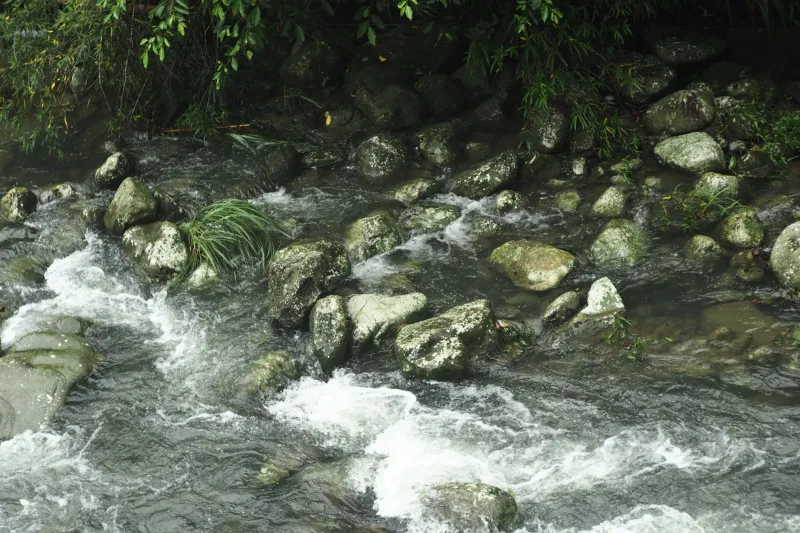
In the lexicon of freshwater conservation, certain species command immediate recognition. Salmon fill rivers with nutrients from the open ocean. Beavers restructure entire watersheds with their engineering instincts. Freshwater mussels filter extraordinary volumes of water with quiet efficiency. Yet one group of organisms—equally consequential, far more numerous, and present in nearly every stream, river, and wetland across the continental United States—has received comparatively little attention from policymakers, restoration practitioners, and the broader public alike.
Crayfish are not a marginal curiosity. They are, by any rigorous ecological definition, keystone engineers of freshwater systems. Their decline across much of North America is not merely a biodiversity statistic. It is a slow-motion degradation of the very processes that keep American waterways functional.
What Crayfish Actually Do in a Stream
To understand the stakes of crayfish decline, it is necessary first to appreciate the breadth of their ecological contributions—contributions that operate simultaneously across multiple dimensions of stream function.
Through burrowing behavior, crayfish continuously rework streambed sediment. This bioturbation—the mechanical disturbance of substrate by living organisms—is not incidental. It aerates compacted sediments, releases bound nutrients into the water column, and creates the physical heterogeneity that other invertebrates, fish, and amphibians depend upon for foraging and reproduction. Research conducted in Appalachian and Ozark stream systems has demonstrated that reaches with robust crayfish populations maintain significantly higher rates of benthic nutrient turnover than comparable reaches where crayfish have been removed or suppressed.
As omnivores, crayfish occupy a dietary position that few other stream organisms replicate. They consume algae, aquatic macrophytes, detritus, invertebrates, and small vertebrates with equal facility. This dietary breadth makes them pivotal regulators of primary production. In streams where crayfish populations remain intact, algal blooms are routinely suppressed through direct grazing, and organic matter decomposition is accelerated through shredding of leaf litter. Both functions directly influence water clarity and the downstream export of nutrients—variables with significant implications for the health of receiving water bodies, including reservoirs and estuaries.
Perhaps most significantly, crayfish serve as a critical trophic link. They transfer energy efficiently from the benthos—the bottom layer of stream environments—upward to fish, wading birds, river otters, and raccoons. When crayfish populations collapse, that energy pathway does not simply reroute. It attenuates. Predator communities that depend on crayfish as a reliable, calorie-dense food source contract in response, and the top-down regulation those predators provide is consequently diminished.
A Continent-Wide Decline
North America hosts the most diverse assemblage of freshwater crayfish on Earth, with more than 400 recognized species distributed across the continent. This richness is not evenly distributed: the southeastern United States—particularly the river systems of Alabama, Tennessee, and Mississippi—harbors an extraordinary concentration of endemic species found nowhere else. It is precisely this region that has experienced some of the most severe population losses.
The drivers of decline are interconnected and, in many cases, mutually reinforcing. Agricultural runoff introduces elevated concentrations of nitrogen, phosphorus, and suspended sediment into stream corridors, altering the chemical and physical conditions that native crayfish species require. Channelization and riparian vegetation removal—practices still widespread across the American Midwest and South—strip streams of the structural complexity crayfish use for refuge and reproduction. Pesticide contamination, particularly from pyrethroid insecticides commonly applied in agricultural and suburban landscapes, has been shown to cause direct crayfish mortality at concentrations well within the range detected in many monitored streams.
Invasive crayfish species compound these stressors considerably. The rusty crayfish (Orconectes rusticus), native to the Ohio River basin but now established across much of the upper Midwest and Great Lakes region, outcompetes native species through aggressive foraging and displaces them from optimal microhabitats. In lakes and streams where rusty crayfish have established dominance, macrophyte communities have collapsed, invertebrate diversity has declined, and the native crayfish fauna has been effectively displaced. The ecological consequences of this displacement are not cosmetic—they represent the substitution of a native engineer with an invasive one whose behaviors and trophic relationships do not map cleanly onto the systems it now occupies.
The Water Quality Connection
Water resource managers in the United States invest substantially in gray infrastructure—treatment facilities, filtration systems, constructed wetlands—to manage nutrient loading, turbidity, and biological oxygen demand in freshwater systems. What the conventional management toolkit consistently underweights is the role of intact biological communities in performing those same functions at no direct cost.
Crayfish are a compelling case in point. When burrowing activity declines due to population suppression, fine sediments accumulate on streambeds rather than being periodically disturbed and redistributed. This accumulation smothers the hyporheic zone—the ecologically vital interface between surface water and groundwater—reducing its capacity to process nutrients and support the invertebrate communities that underpin stream food webs. Nitrogen and phosphorus that would otherwise be cycled through biological uptake instead move downstream, contributing to the nutrient loading that drives hypoxic conditions in rivers, reservoirs, and coastal zones.
Recent modeling work published in freshwater ecology journals has attempted to quantify the water quality services attributable to crayfish populations in mid-Atlantic and Great Lakes stream networks. While methodological challenges remain, the emerging consensus suggests that the loss of crayfish bioturbation and grazing functions represents a measurable and ecologically significant reduction in natural water treatment capacity—one that conventional management approaches are poorly equipped to compensate for.
The Case for Crayfish-Centered Restoration
The scientific literature now supports a clear argument: restoring crayfish populations and the habitats they require should be recognized as a legitimate, cost-effective component of freshwater ecosystem restoration strategy.
Practically, this means expanding riparian buffer protections to reduce the agricultural runoff that degrades crayfish habitat. It means revisiting channelization permits and prioritizing stream re-meandering projects that restore the substrate complexity native crayfish depend upon. It means incorporating crayfish population assessments into the monitoring frameworks that guide watershed management decisions—a step that remains conspicuously absent from most state water quality programs.
For invasive species management, it means investing in the biocontrol and targeted removal research that could meaningfully reduce rusty crayfish pressure in affected systems—work that is underfunded relative to its potential ecological return.
Critically, it also means regulatory frameworks that acknowledge crayfish as functional components of water quality infrastructure, not merely as wildlife. The Clean Water Act's focus on chemical and physical water quality parameters has historically left biological integrity underweighted in regulatory decision-making. Strengthening the biological criteria that states use to assess stream health—and explicitly incorporating macroinvertebrate and crayfish community metrics—would represent a meaningful policy advance.
Toward a Fuller Accounting
The United States faces mounting freshwater challenges: aging infrastructure, intensifying drought, agricultural nutrient loading, and the compounding effects of climate-driven hydrological change. Addressing these challenges will require the full deployment of available tools, including the biological processes that functioning ecosystems perform without subsidy.
Crayfish represent one of the most underutilized assets in that toolkit. They are abundant where conditions permit, ecologically versatile, and deeply integrated into the stream processes that water quality depends upon. Their decline is not inevitable—it is the product of specific, addressable land-use and management decisions. Reversing that decline requires treating crayfish not as a footnote in freshwater ecology but as the ecosystem architects the science confirms them to be.
The streams that run through American communities, farmlands, and forests are shaped, in ways most people never see, by the small crustaceans moving through the gravel below the surface. Restoring those architects to their proper place in the ecosystem is both an ecological imperative and a practical investment in the freshwater resilience the country urgently needs.